How many people in Japan actually drink sake? According to a survey of 11,490 respondents conducted in February 2026 by MyVoiceCom, around 40% currently drink sake — and that number has been declining over time.
Yet when asked whether they'd like to drink sake in the future, over 50% of alcohol drinkers said yes. There are more people who want to drink sake than people who actually do.
Somewhere between interest and action, something is getting in the way.
The Dominant Image: "Traditional"
The survey asked respondents about their image of sake. The top answer was "traditional" at 54%, far ahead of second-place "for adults" at just over 20%.
When asked about sake's appeal, the most popular response was "it makes me feel connected to Japanese culture" (29.3%), ranking above "it tastes good" (24.7%). For many Japanese consumers, sake is perceived as culture first, drink second.
This cuts both ways. The "traditional" image aligns with sake's December 2024 UNESCO Intangible Cultural Heritage inscription, which could boost its prestige further. But it may also create distance — a sense that sake is something formal, not an everyday drink. Notably, 13–14% of respondents associated sake with "getting a bad hangover."
Women in Their 30s Prefer Drinking Out
Overall, 70% of sake drinkers consume it at home. But among women in their 30s, over half said they drink sake at restaurants and bars rather than at home.
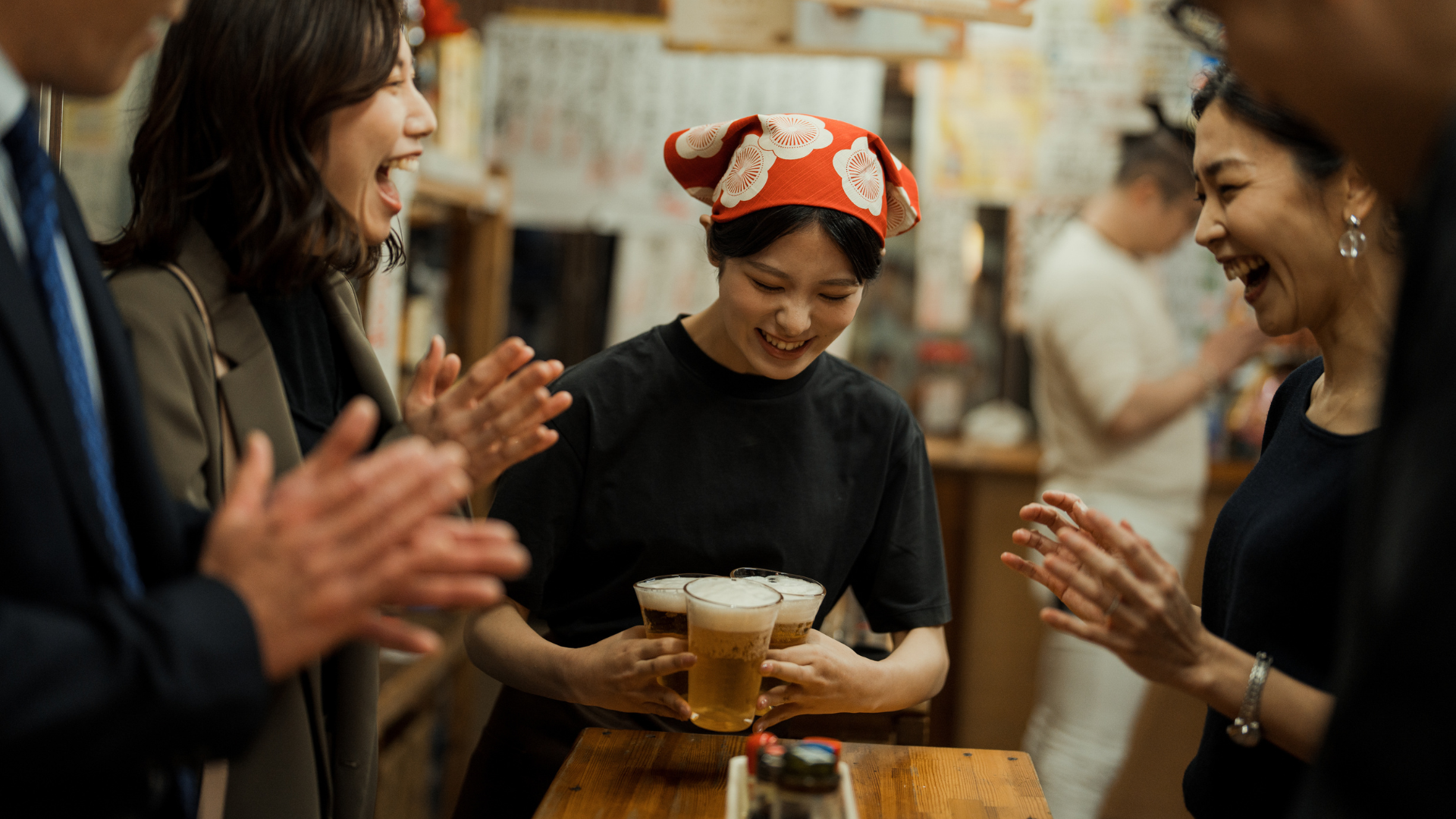
For this demographic, the first encounter with sake may be happening at the table — at izakaya, wine bars, or restaurants where a server makes a recommendation.
720ml Bottles Over the Traditional 1.8L
The most commonly purchased format is the 720ml bottle, chosen by nearly 40% of buyers. The traditional isshobin (1.8 liter bottle) is in decline.
The shift reflects changing lifestyles: smaller households, a desire to sample different labels, and less commitment to a single bottle.
What Would It Take to Close the Gap?
When choosing sake, respondents prioritize "taste" (62.8%), followed by "price" and "dry vs. sweet" (each over 40%), and "ease of drinking" (36%).
In other words, people want sake that tastes good, has a clear price point, and comes with enough information to know whether it matches their preferences. The gap between "want to drink" and "actually drinking" likely comes down to accessibility — making sake easier to choose.