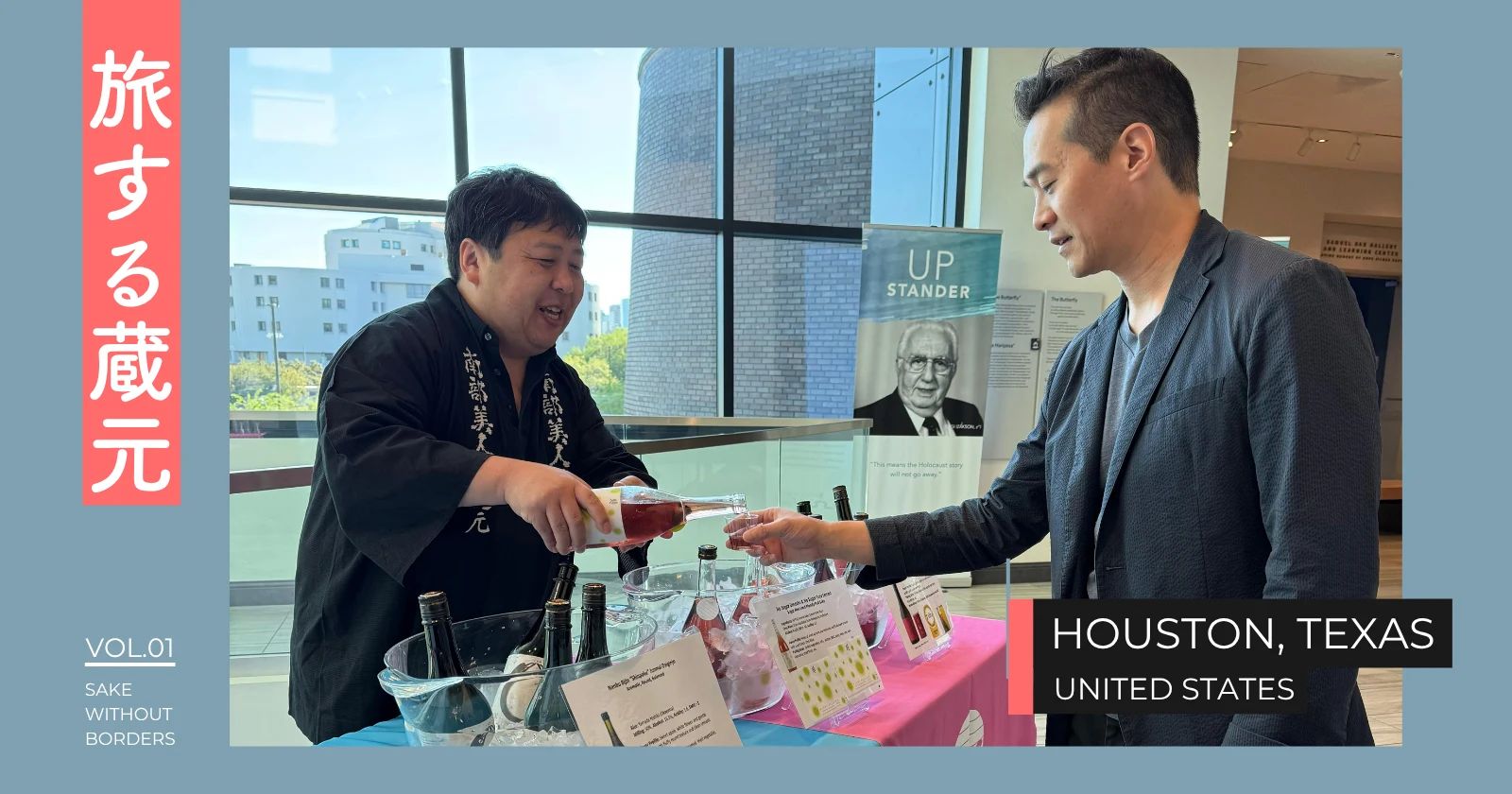
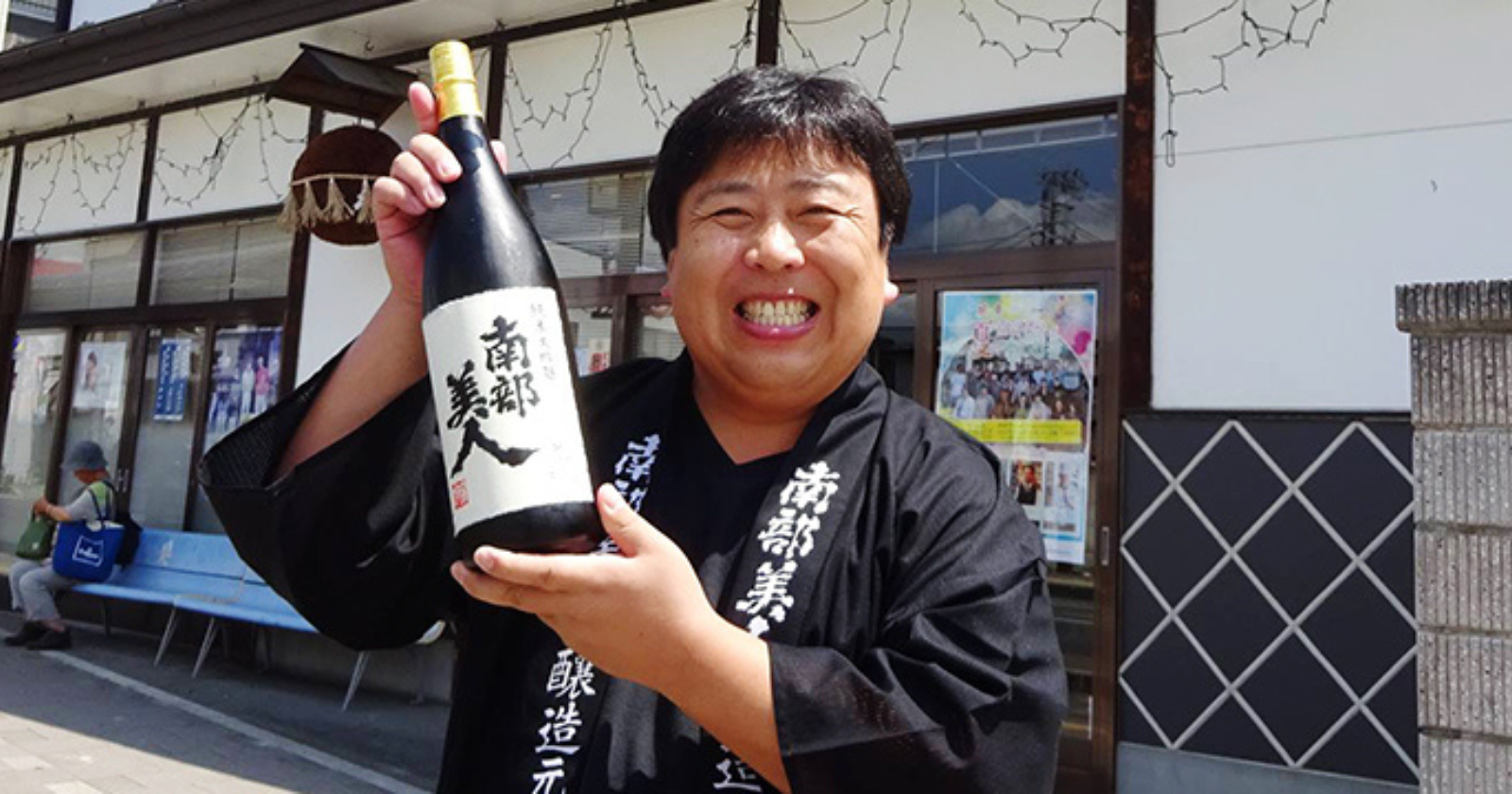
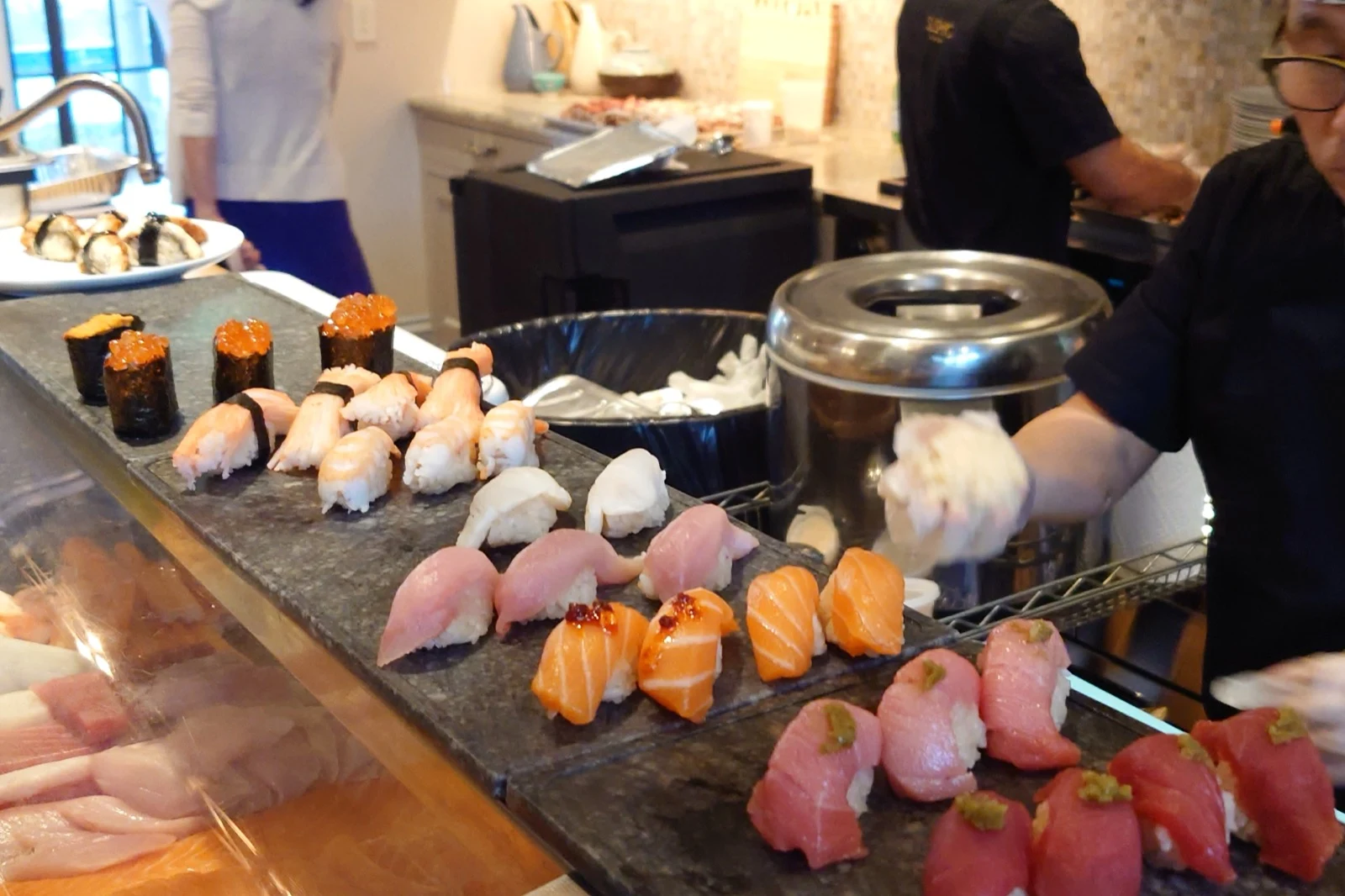
I have to be honest — even to me, the sight was a little strange. There I was, pouring sake from the mountains of Iwate inside a Holocaust museum in Houston, Texas. It was March 2026, at an event called A Night Sharing the Stories of Asia and the Jewish People. Around 120 guests had come, and I was serving them Nanbu Bijin's Tokubetsu Junmai and our umeshu made without added sugar. Every piece of sushi on the table was kosher, too.
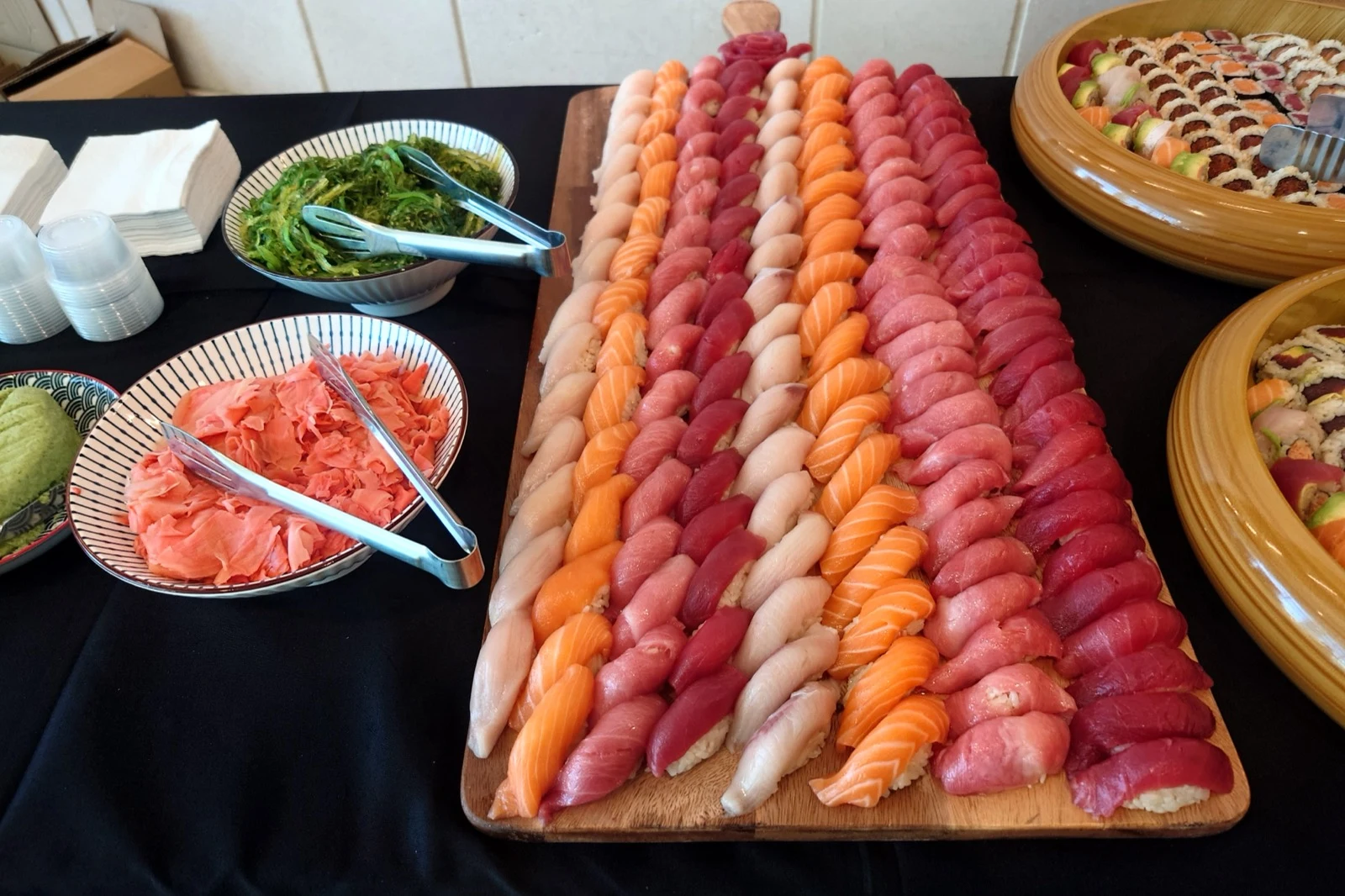
For those unfamiliar, kosher refers to the dietary laws of Judaism. The word itself means "fit" or "proper" in Hebrew, and it defines precisely what may and may not be eaten. It would be a mistake to assume these rules concern only observant Jews. In American supermarkets, roughly thirty percent of packaged foods carry kosher certification. People from every background reach for those products, thinking: if it's certified, I can trust it.
Nanbu Bijin earned its kosher certification in 2013 — the second sake brewery in Japan to do so, after Dassai. For plum wine, we were the first in the country.
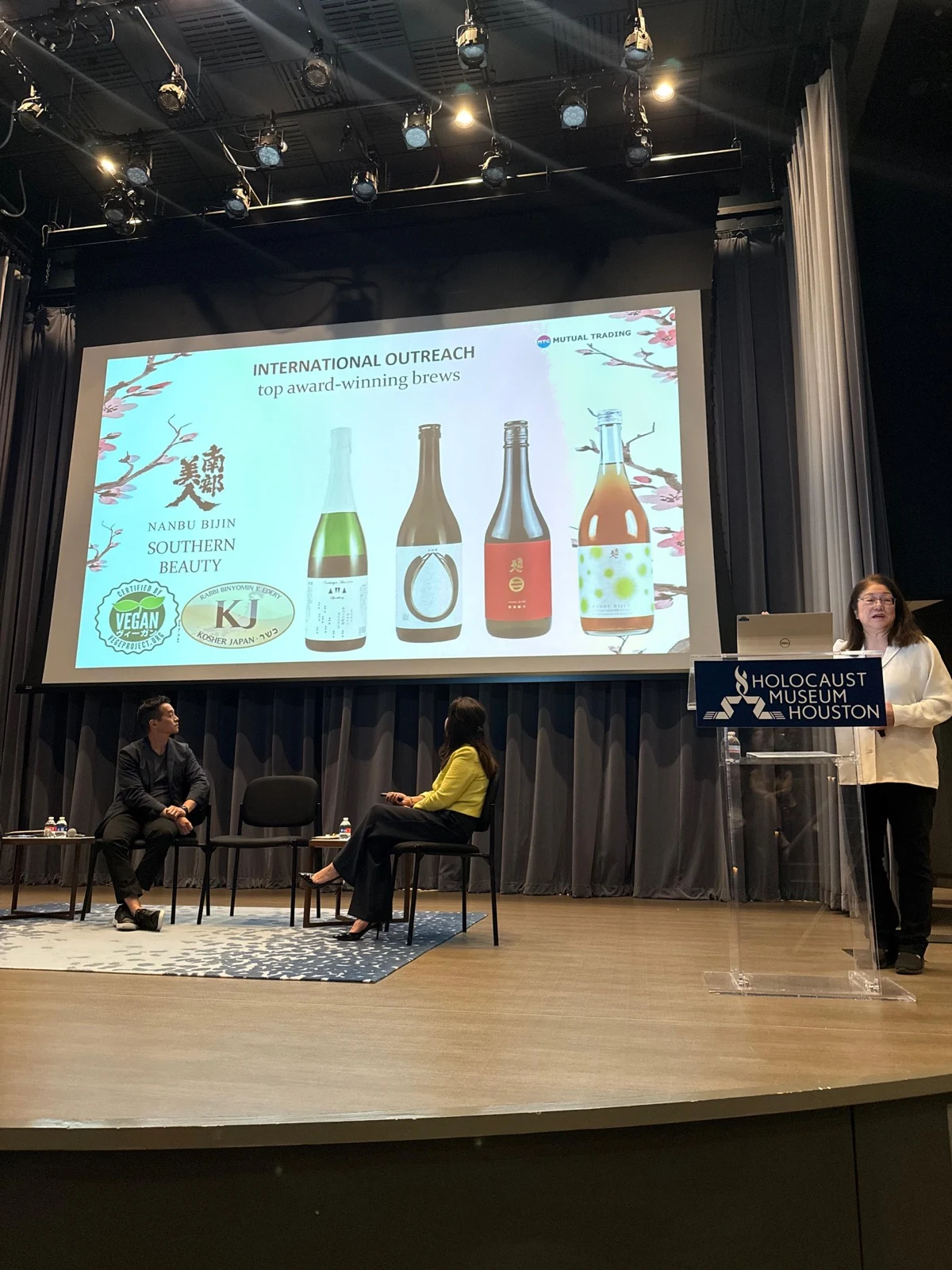
The idea started with a visit from one of our Malaysian importers, who had just earned halal certification. Halal is Islamic, kosher is Jewish — different faiths, but the structure is the same: a rigorous framework for what is allowed on the table. No matter how good the sake is, if someone can't be certain they're permitted to drink it, it simply won't reach them. So, I thought, let's go meet them halfway. Sake is made from three things: rice, water, and koji. The kosher conditions should be easy to clear. Piece of cake, I told myself.
I was wrong.
A rabbi — a Jewish religious leader — came all the way to our brewery in Ninohe, a small town in northern Iwate, and began inspecting 250 separate items. The raw ingredients were only the beginning. He examined the composition of our cleaning detergents, how we cultured our yeast, even who supplied our koji starter. One day he asked to see the yeast cultivation process, which meant I had to drive 100 kilometers — about 60 miles — to a research institute in Morioka. There were unannounced visits, too. Preparation took more than a year.
But in that year I came to realize something. The heart of kosher is not prohibition. It's trust. Can you show clearly what is in the bottle, and how it was made? That happened to be exactly what we at Nanbu Bijin had been doing all along. There was nothing to hide — and there never had been.
Thirteen years have passed since then. And now here I was, inside a Holocaust museum, where people of different faiths and histories were gathering around a shared table, with Nanbu Bijin in the middle of it. The word kosher — "fit" — had never felt as right as it did that night.
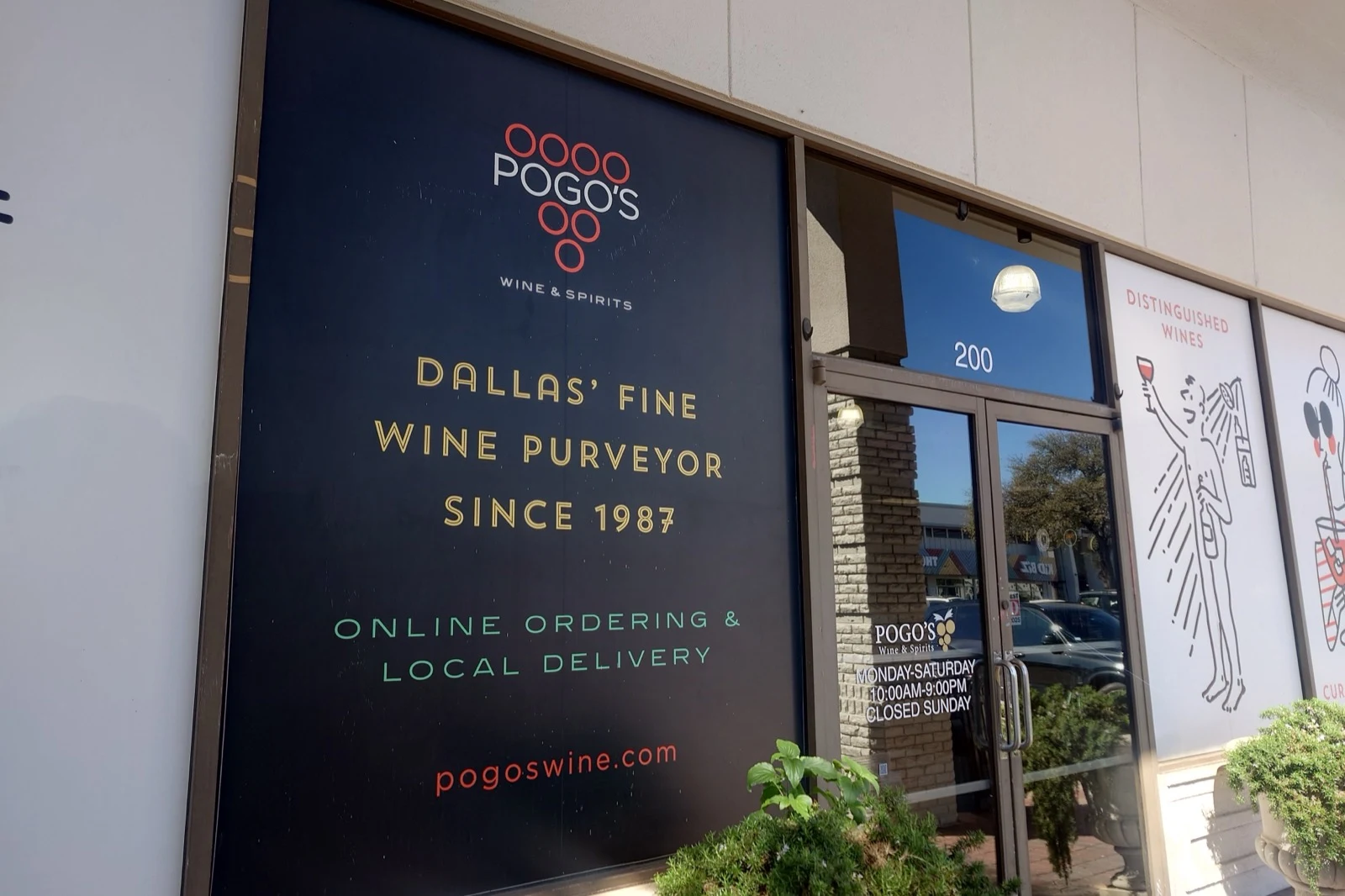
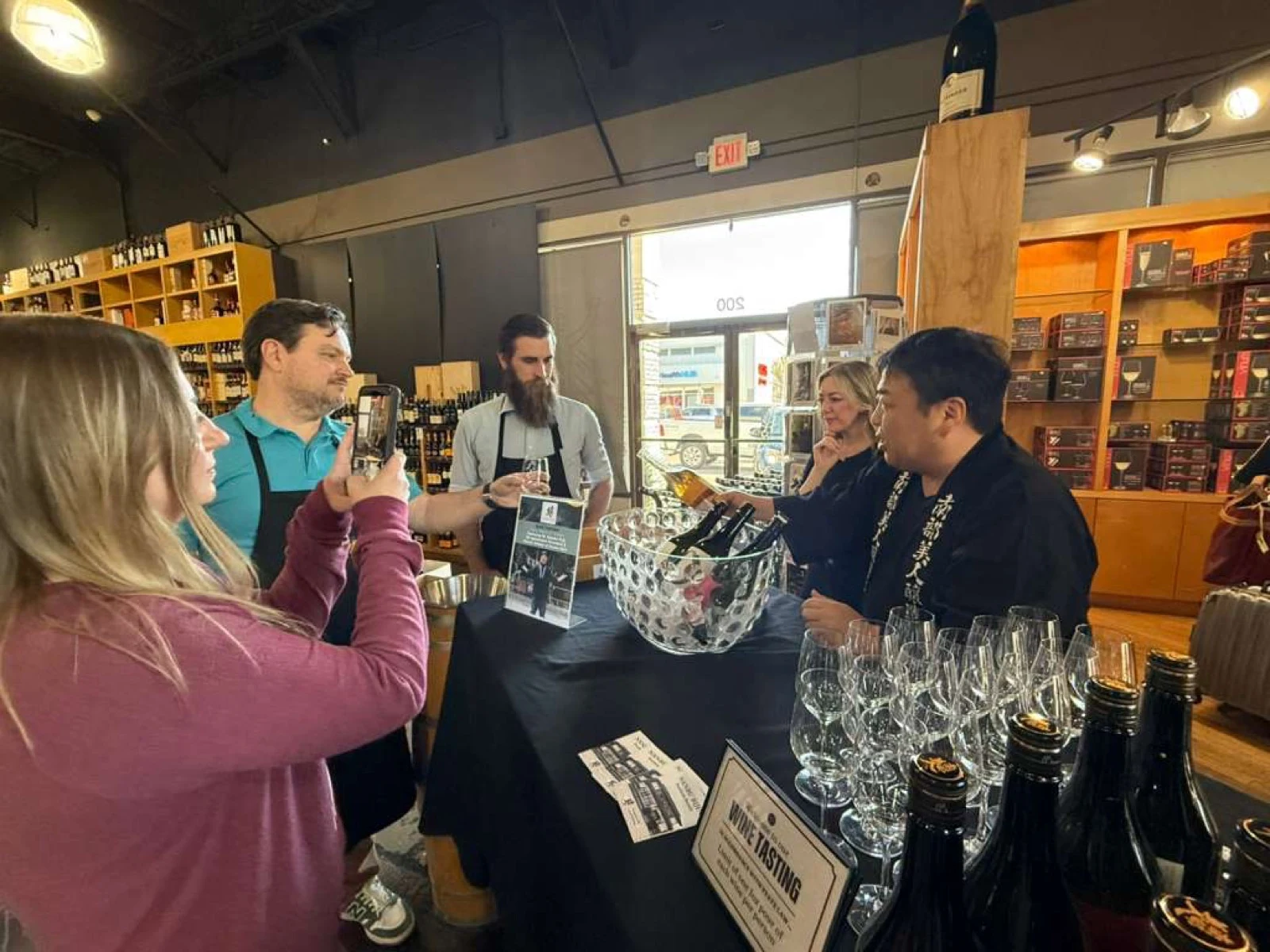
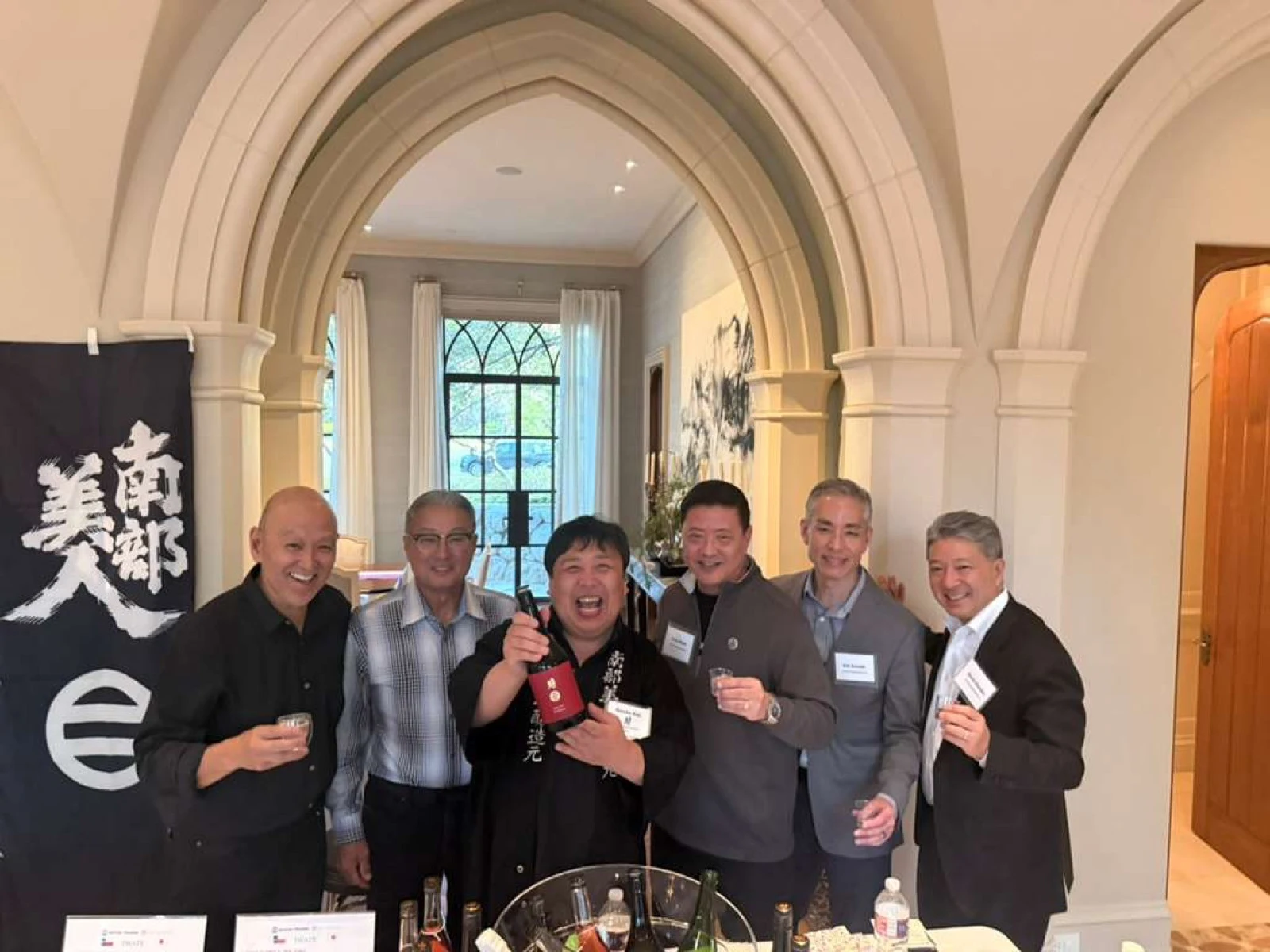
The next day, a road trip through Texas began. At POGO'S, a well-known wine shop in Dallas, I ran a tasting event, and the customers kept coming. The sake sold faster than I expected. Texans are curious people, and the questions never stopped: What kind of rice? How is it made? That evening we moved to the home of Mark Okada for a private tasting. About sixty guests came, sushi was prepared in front of us, and we drank Nanbu Bijin late into the night. Everyone left with a bottle in hand.
Texas, I've come to believe, is the most exciting new frontier for sake in America right now. It is not New York, and it is not LA. Here, wine culture runs deep, which means people immediately understand what you mean when you call sake "a brewed drink made from rice."
When the winter brewing season ends, I travel the world with a single suitcase. Nanbu Bijin now reaches 60 countries and is served in first class on Japan Airlines and Emirates. Next, I'll continue on to Brazil — to a place on the far side of the planet where sake is quietly beginning to put down roots.
But that's a story for next time.