Taking Root on the Other Side of the World
Kosuke Kuji

Back in 2004, I brought Nanbu Bijin to Brazil for the first time. I went from one Japanese restaurant to another in São Paulo, trying to convince owners to carry it. The city already had plenty of Japanese-run sushi places, but to someone arriving from Japan, most of them tasted a little off. The karaoke machines still ran on laser disc. That was the era.
Twenty-two years later, stepping off the plane in São Paulo, I wondered for a moment whether I had landed in an entirely different country.
LASAI, a two-Michelin-star restaurant in Rio de Janeiro. On the wine pairing menu accompanying its modern Brazilian tasting course, there was sake. Niida Shizenshu, a brewery from Fukushima, served both chilled and warmed, sliding naturally into the progression of the course.
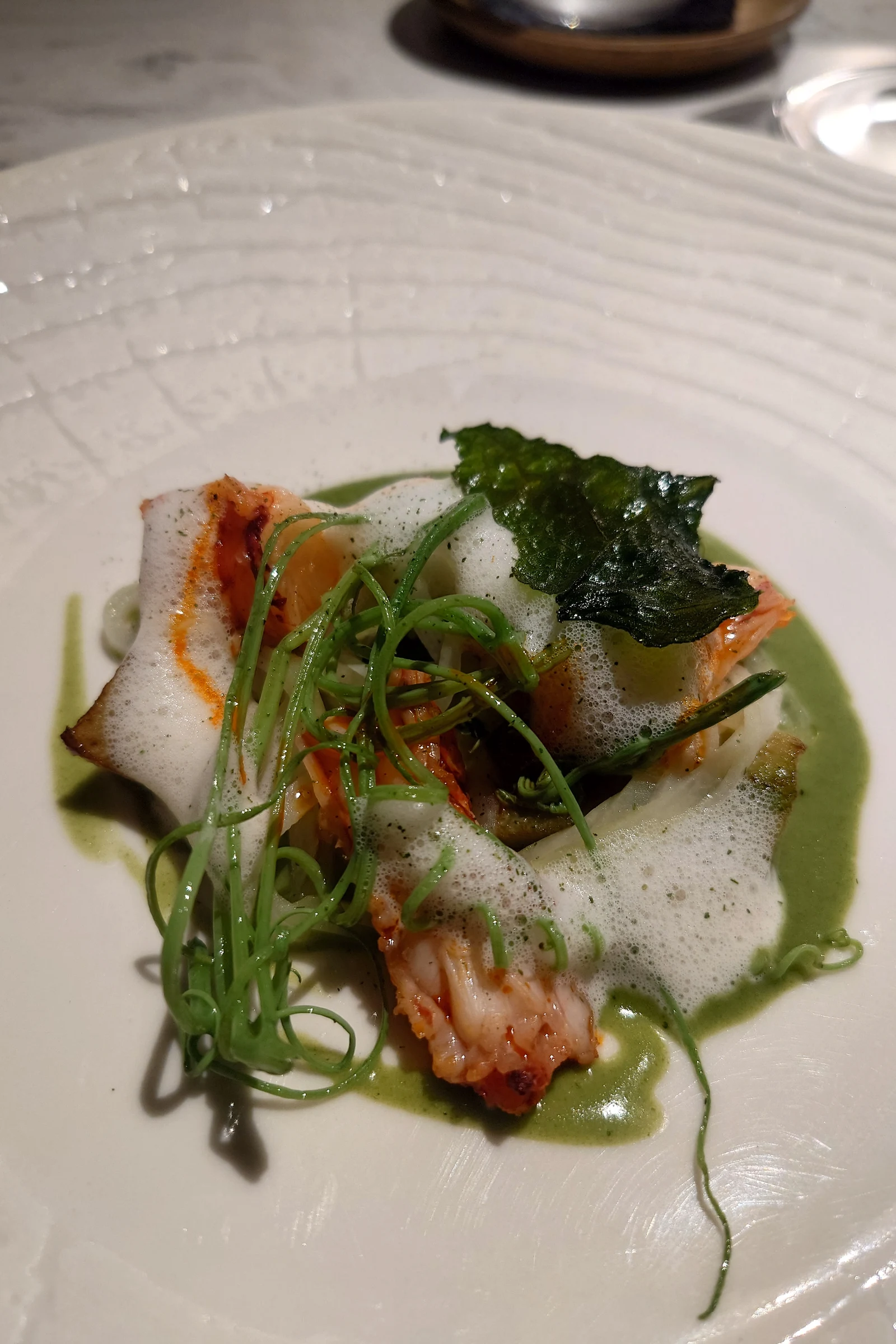
No one had asked them to put it there. The Brazilian chef, pursuing his own cooking to its logical end, had concluded that the food simply needed sake alongside the wine. That was the most stunning thing I saw on the entire trip. I wanted to reach back and tell my younger self, twenty-two years ago: you're on the right track.
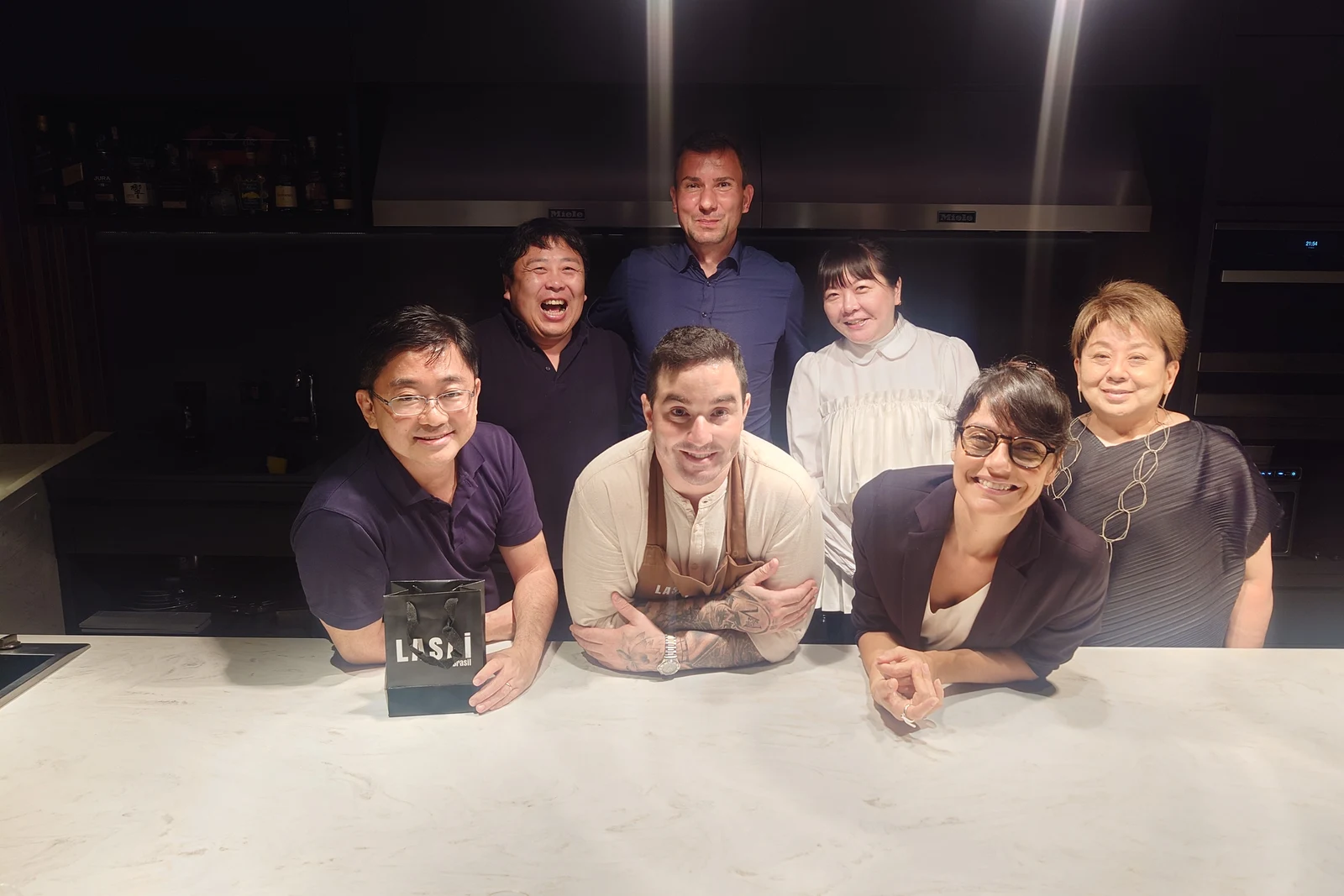
The person who took me to Rio was Fabio, president of MEGA SAKE — the importer handling Nanbu Bijin in Brazil, and a certified Sake Samurai. He also runs a sushi restaurant in São Paulo called MIYABI, and a collaborative dinner there was the main reason for this trip.
I flew in together with Marie Chiba, who runs the pairing-focused restaurant Eureka in Tokyo's Nishi-Azabu district. Born in Morioka, Iwate, she is also a Sake Samurai. Traveling with us was Masae Shimizu, whose family runs the Zaku brewery in Mie Prefecture. For more than ten hours, Marie-san walked the market with MIYABI's chef, tasting and sampling and re-tasting, building the pairing course dish by dish.
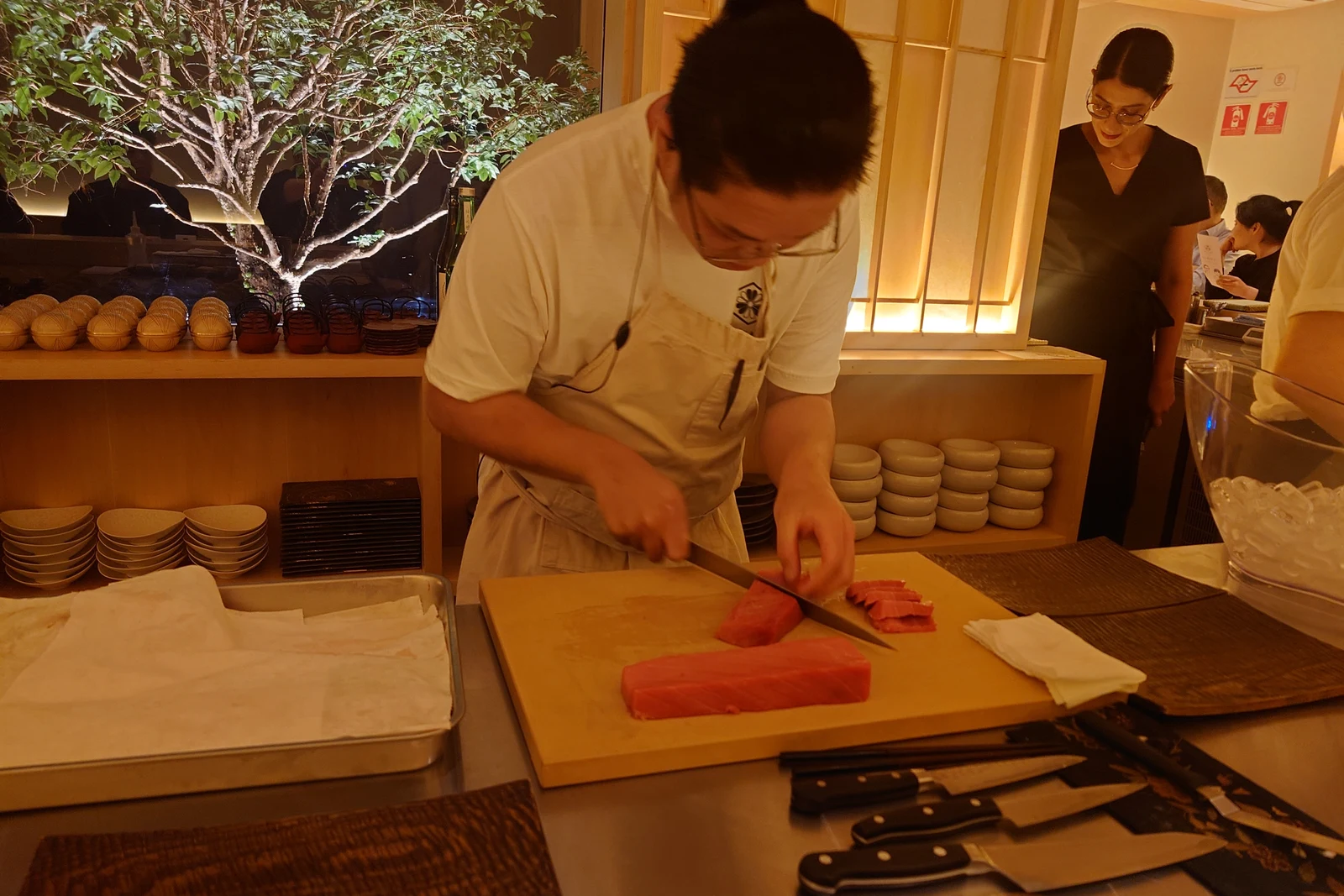
The dish she paired with Nanbu Bijin's Tokubetsu Junmai was a tartare of local scallops, edamame, dried shiitake, mango, and sun-dried tomato, lifted with a hint of sansho pepper. It was a dish you could only make there — neither in Tokyo, nor anywhere else in São Paulo. A plate that belonged to that single moment.
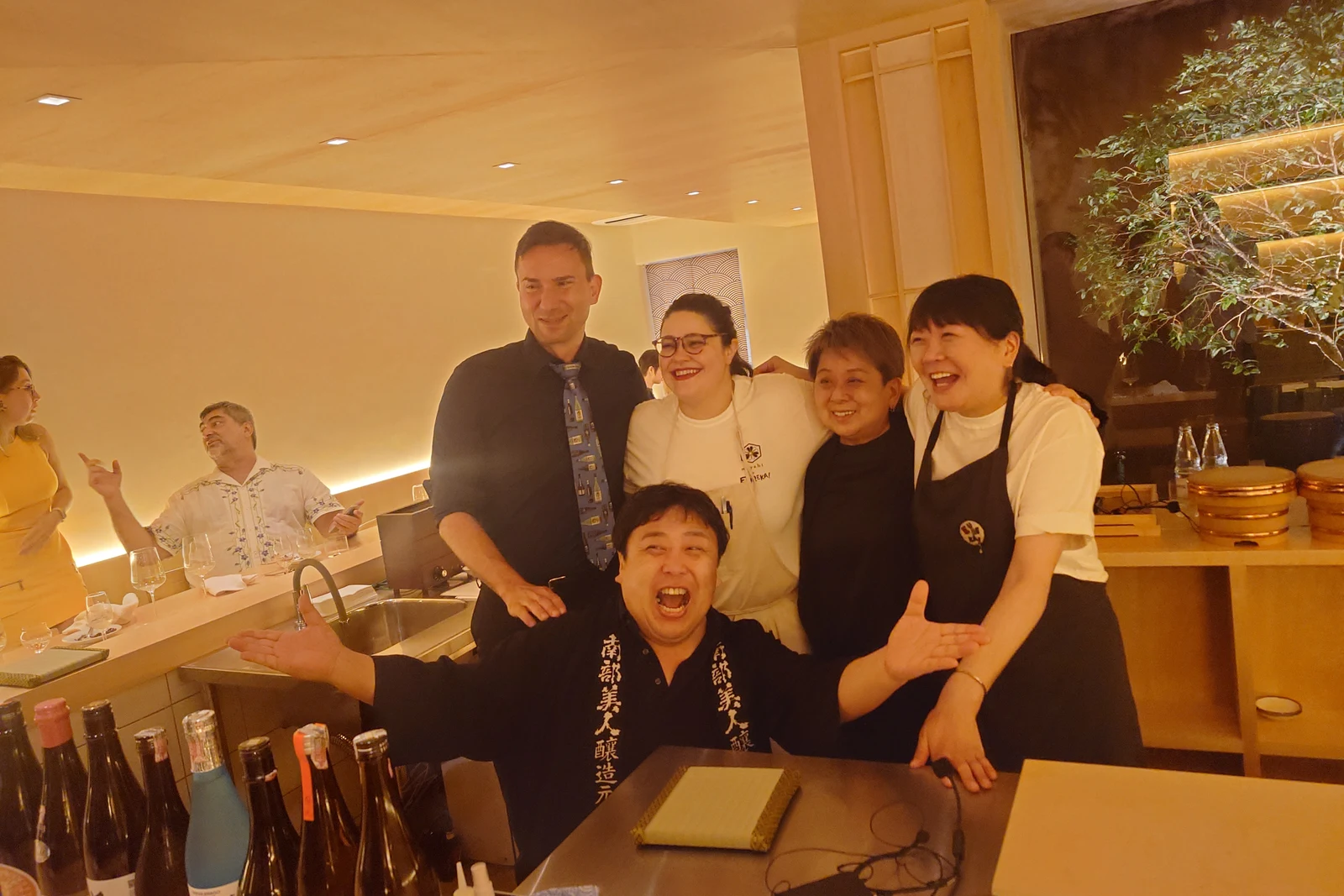
The first night was for influencers and media. People with millions of followers filled the room, photographing every course and every pour, and honestly, the way they handled their shots made me feel like I was the one being taught something. The second night was for MIYABI's regulars. Both nights, the reactions came back fast and warm.
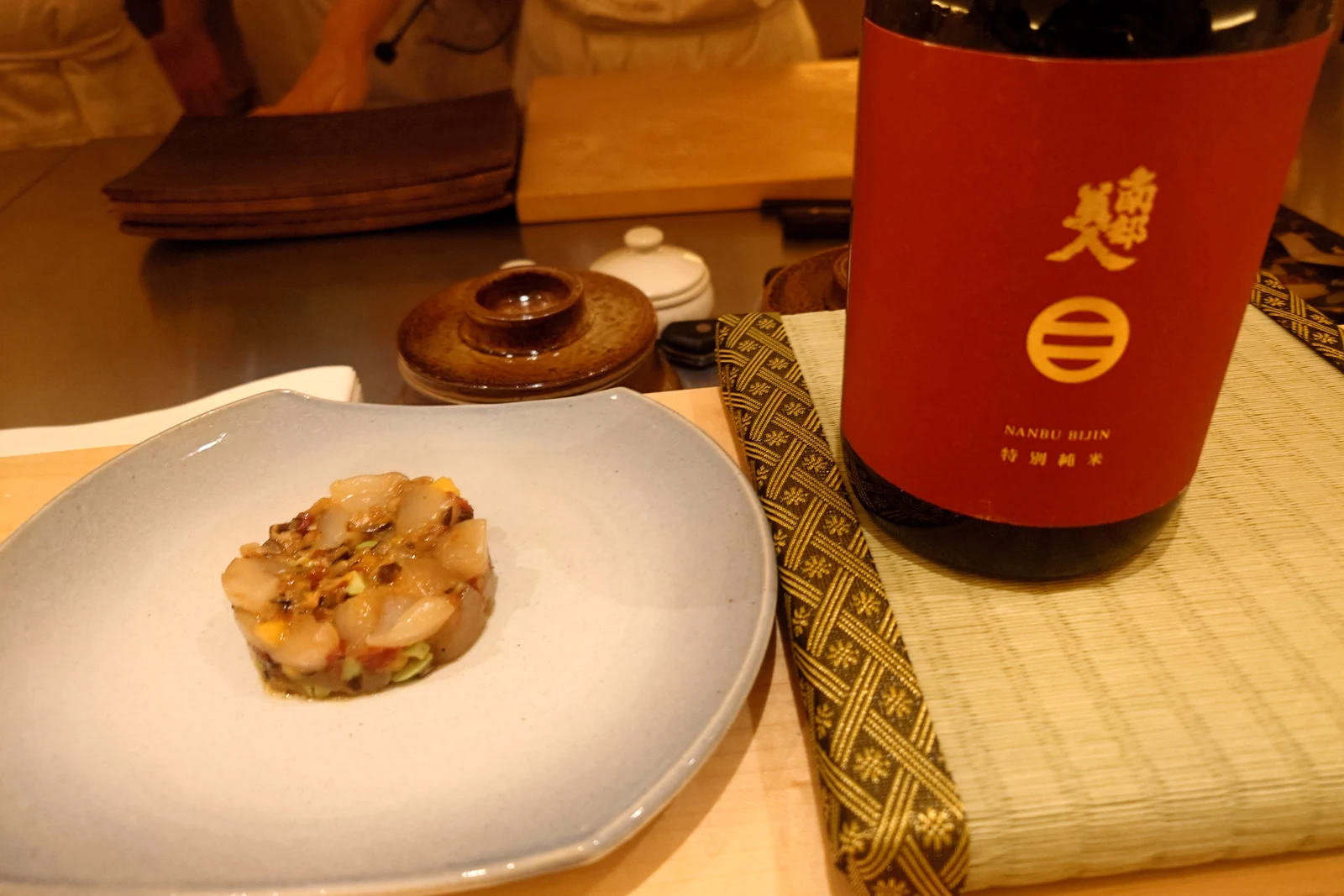
What is clearly different from twenty-two years ago is that I no longer have to explain sake. The food professionals of Brazil are starting to use it within their own cooking, on their own terms.
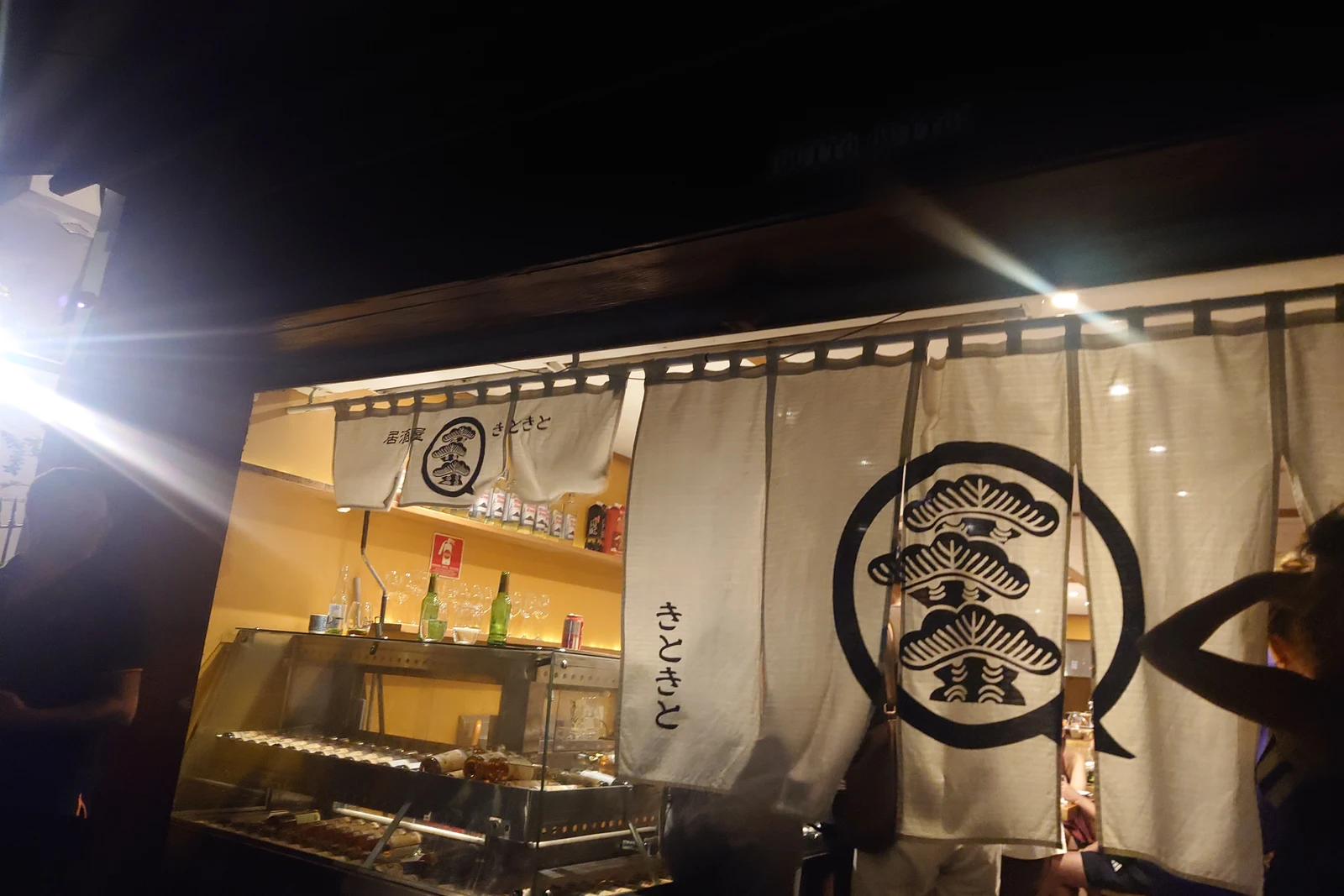
And the Japanese food in São Paulo? No one can say anymore that it feels "a little off." Kaori-san runs an izakaya called QUITO QUITO where the line stretches out into the street. The aji no namero she served me — minced horse mackerel mixed with miso and herbs, a dish from the coast of Japan — left me speechless. I never imagined I'd find that in South America.
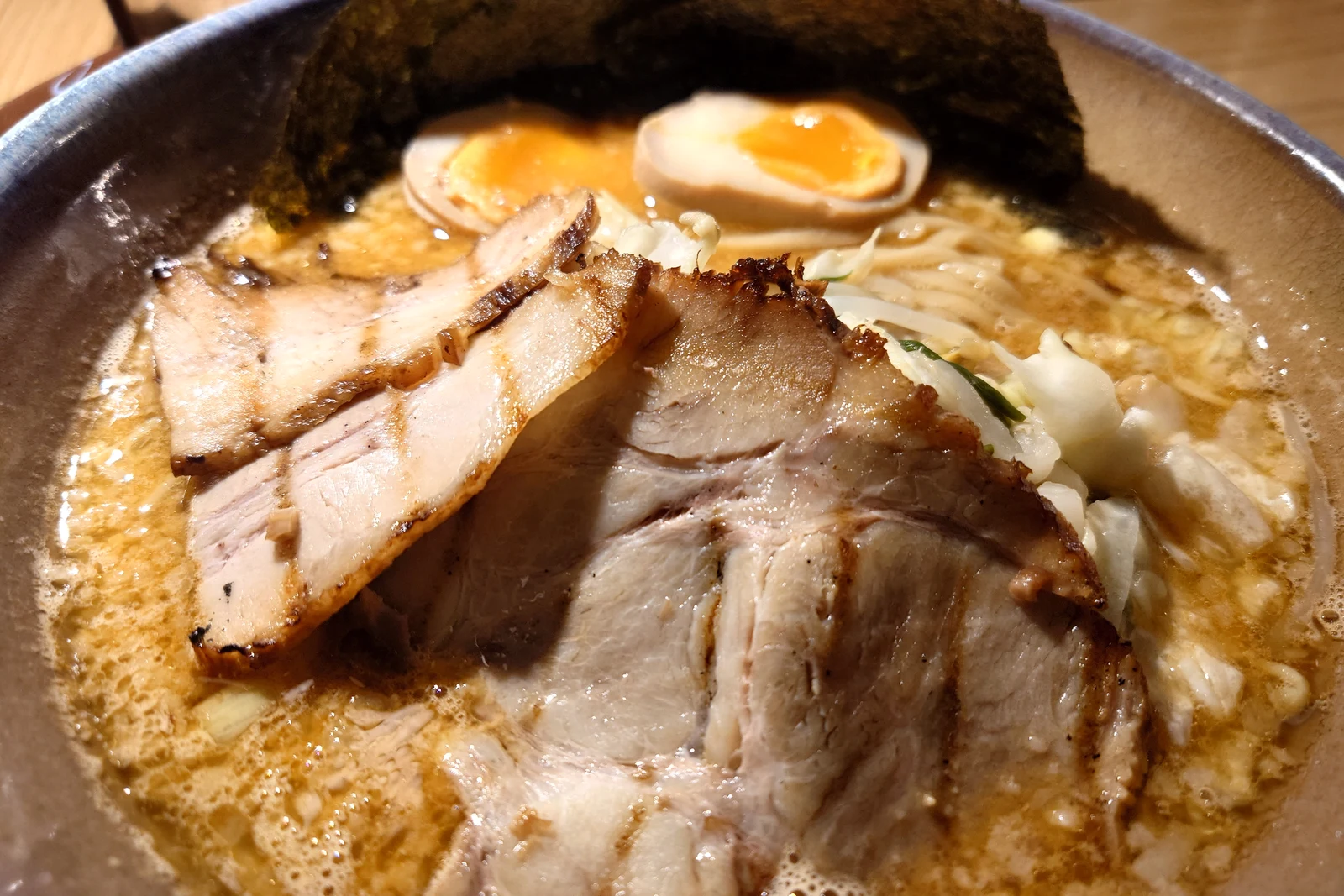
And JOJO Ramen, run by an all-women Brazilian team, puts out a miso ramen that tastes essentially the same as what you'd eat in Japan.
During my stay I also visited the Iwate Prefectural Association of Brazil. On the other side of the earth, there are people who still call Iwate their hometown. While we were talking about our roots, I was introduced to Yasuro Matsuo, president of Pilot Pen Brazil, who is originally from Sannohe in Aomori Prefecture. Sannohe is the town next to my own hometown, Ninohe. I had crossed half the globe to meet someone from the town next door. Every time I travel abroad, something like this finds me.
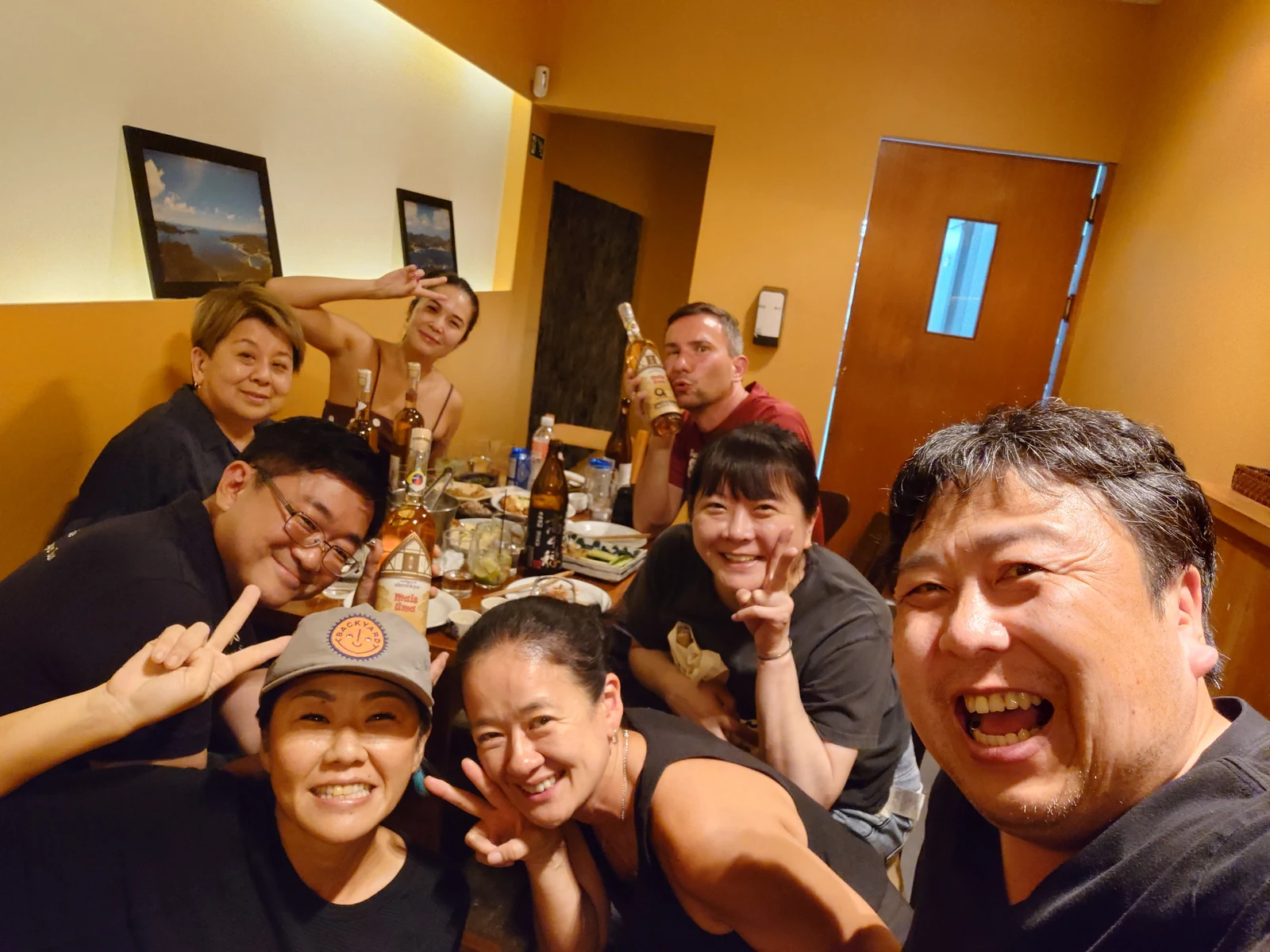
Our last night, we all went to karaoke. The moment the door opened, it felt like walking into a tiny snack bar in Ninohe. Brazilians and Japanese, shoulder to shoulder, taking turns at the mic. No laser discs this time, at least. From a two-Michelin-star restaurant earlier in the week, to a backstreet karaoke bar tonight — the range of this trip couldn't have been better. We emptied a one-shō bottle (roughly 1.8 liters) of Zaku sake and kept going well past midnight.
For sake to "take root" somewhere doesn't mean a handful of Japanese people keep selling it. It means the local people begin to fold it into their own cooking, their own lives, naturally. And in Brazil, that has already begun.
It just took twenty-two years.