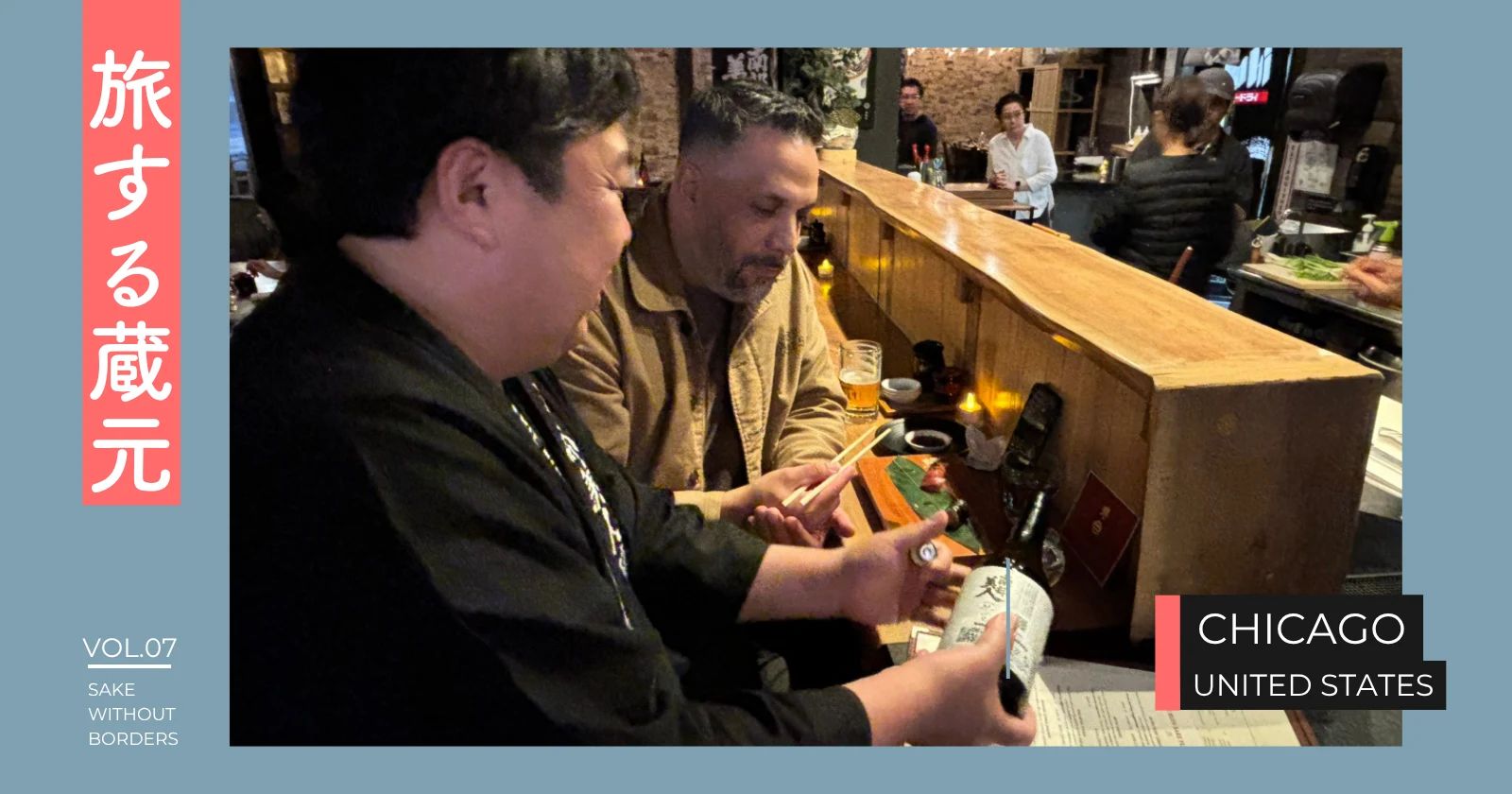
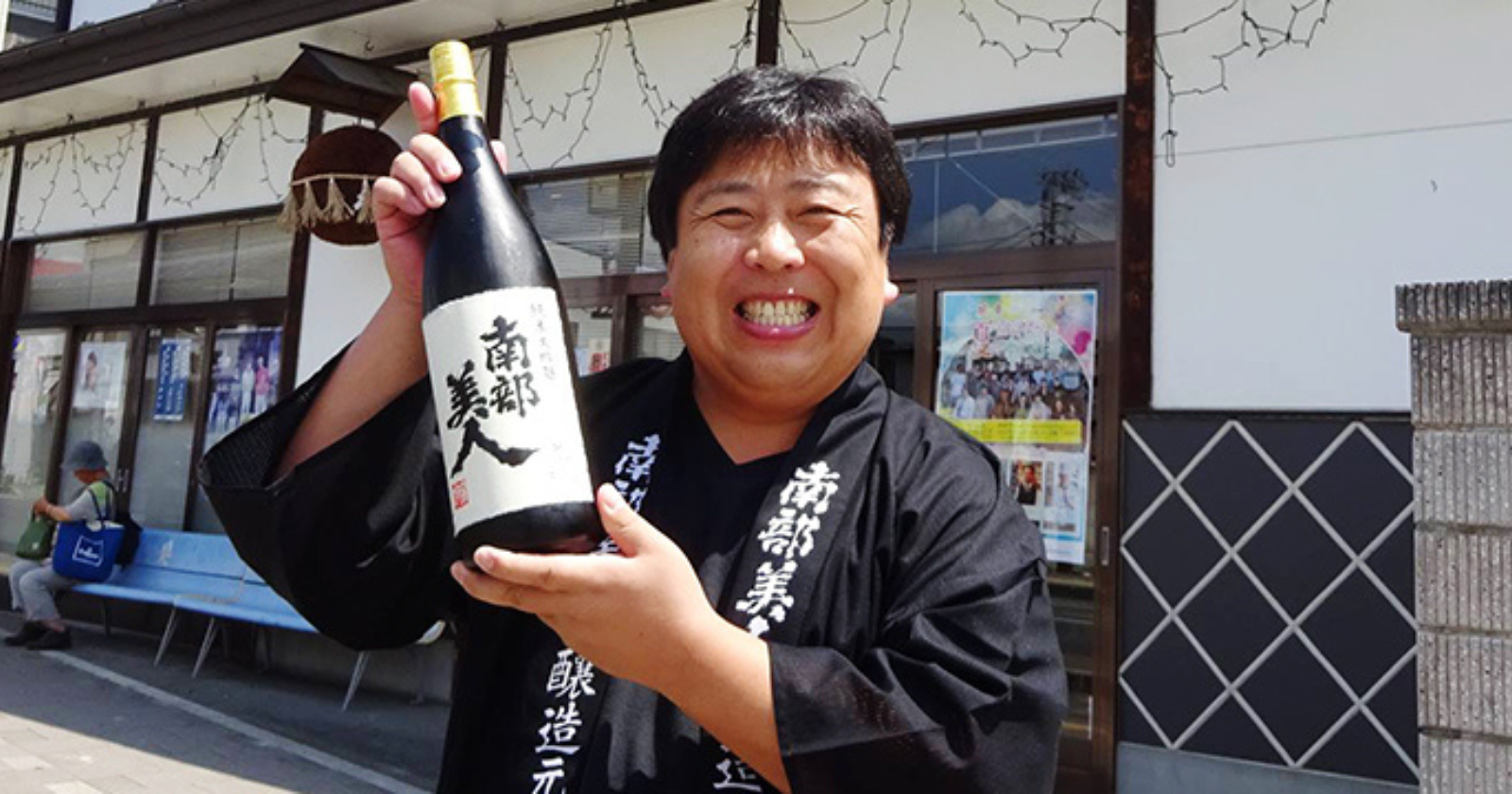
When I stepped into the kitchen at Kumiko, a Japanese restaurant in Chicago, and looked around at the staff, something struck me. There were almost no Japanese people. The same was true of the customers. And yet the sushi and the small plates coming out — they were at a startling level.
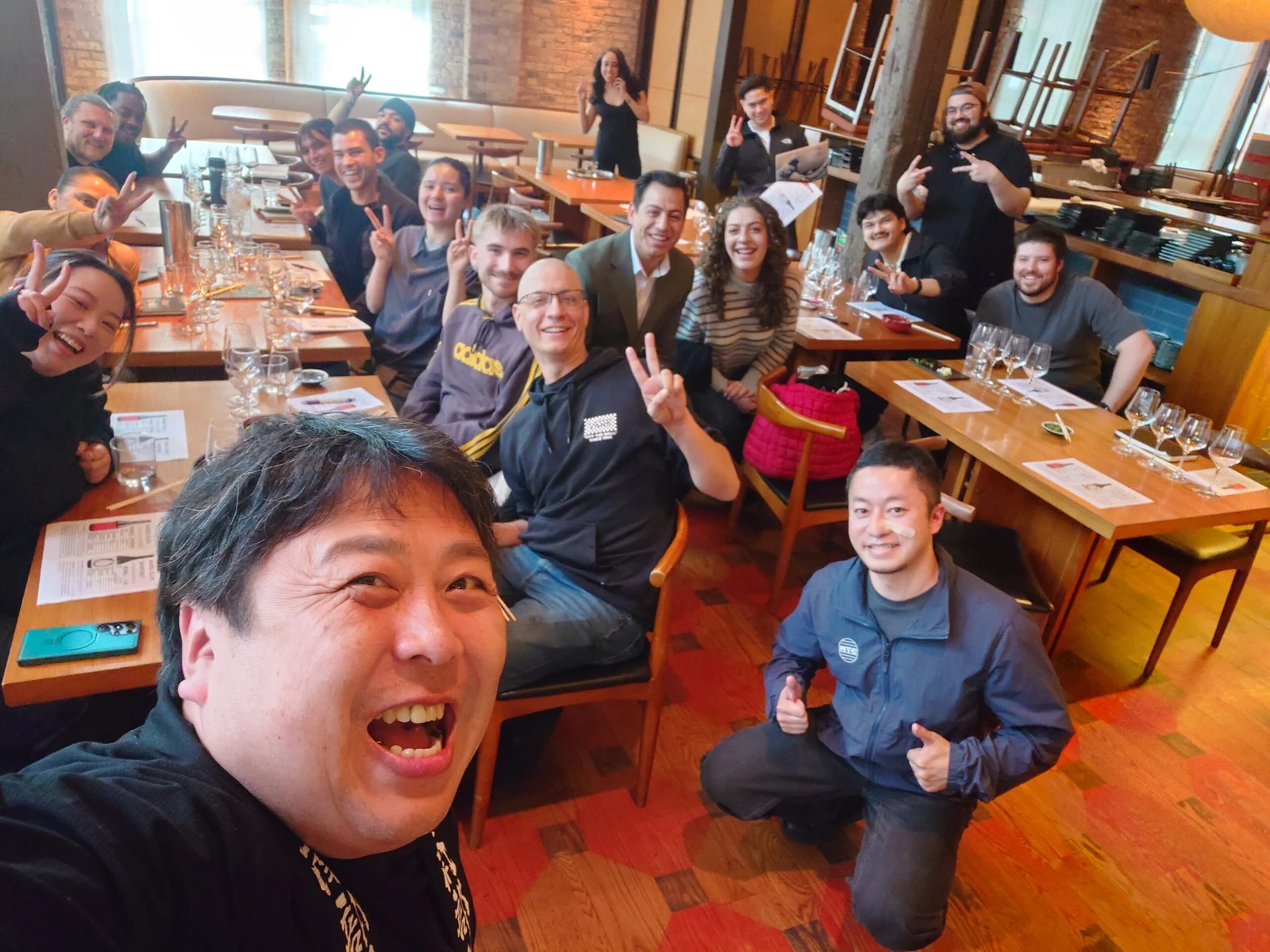
It had been ten years since I was last in Chicago. The country's third-largest city was substantial back then too, but the picture around Japanese food has changed considerably. Ten years ago, when I talked about sake here, the person across from me was almost always Japanese. Japanese-American restaurants. Japanese chefs. Japanese customers drinking the sake. This time, that whole premise had been rewritten.
There was a reason this trip was even possible. Mutual Trading, the importer that handles Nanbu Bijin across the United States, had just acquired its own distribution license in Chicago through its in-house group, YAMASHO INC. The foundation for properly introducing Nanbu Bijin in the middle of the Midwest had finally been laid. So I made sure to visit YAMASHO too, and I walked their sales team through tastings — especially how Tokubetsu Junmai pairs with American wagyu — in detail.

The next day onward, I went around to the city's leading Japanese restaurants alongside a colleague named Jun. Kumiko. Momotaro. Tengoku. All restaurants with serious reputations in the city. Staff training, the actual sushi and the actual small plates from their menus, full pairings worked through in real time. Almost everyone who tasted ended up ordering sake by the glass that night.
What surprised me happened after. Every Japanese restaurant we sold into in Chicago decided to put Nanbu Bijin on the list. Every single one. Ten years ago, I would not have been able to picture this kind of run.
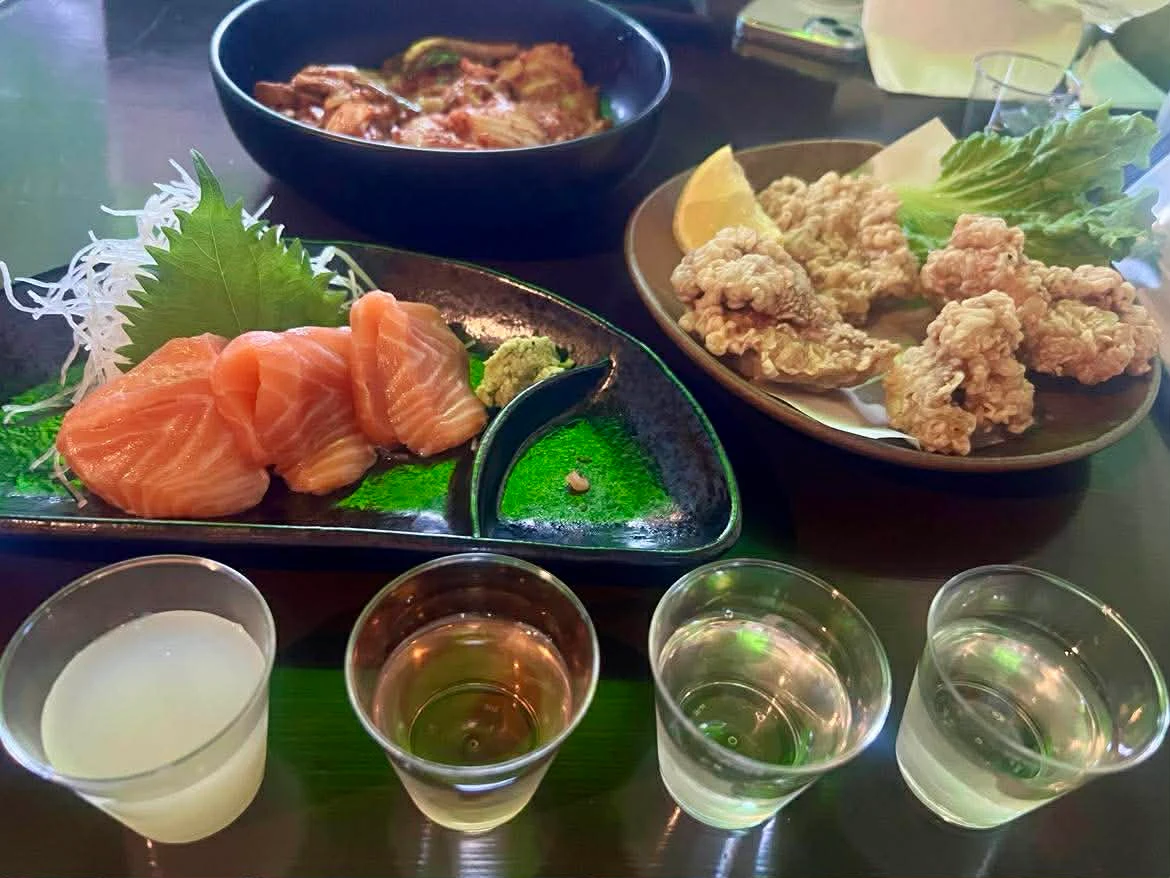
At a Japanese restaurant called Summertime, I poured four sakes for tasting: Tokubetsu Junmai, Shinpaku Junmai Daiginjo, our sugar-free umeshu, and No-Sugar Yuzu-Lemon. The strongest reaction was for the Yuzu-Lemon. With karaage on the table, it slid in alongside the fried chicken in a way the room understood immediately. The sugar-free umeshu disappeared just as quickly into the Chicago evening.
I also did a market round. The Japanese supermarket Mitsuwa. The Korean Joong Boo Market. The strong wine shops. Compared with ten years ago, the shelves looked completely different. The sake section had grown up — and just by reading the shelves, you could tell what was actually moving in the Chicago market right now.
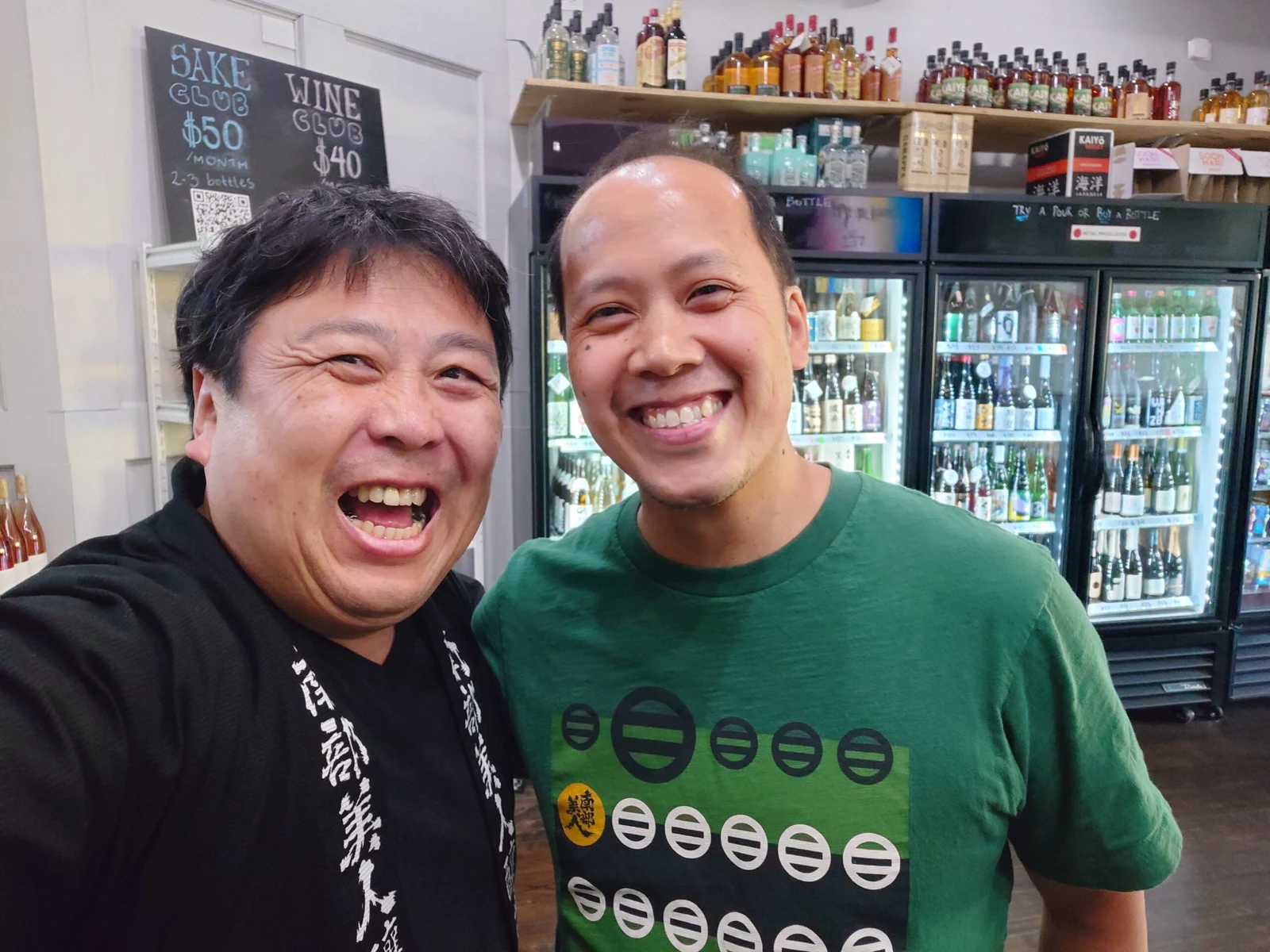
The last gathering of the trip happened in a place that's still rare even in America. Konbini&Kanpai. A liquor store where you can also drink standing up at the counter. In other words: a Japanese kakuuchi. Ten years ago, I would not have imagined a kakuuchi existing in America. The sake at the shop was kept in proper refrigeration throughout. The owner showed up wearing a t-shirt from a collaboration between Nanbu Bijin and Uniqlo.
I left Chicago carrying one realization with me. I am not, anymore, telling sake stories only to Japanese people. Restaurant staff, customers, the owner of a liquor shop — most of the people I talked to in this city were not Japanese. And still, they listened to the sake closely, said they wanted it on their list, said they wanted to drink it themselves. Japanese sake, I realized over a Chicago evening, is no longer only ours.
Next stop was New York. The first city Nanbu Bijin ever sent its sake out to. I was about to stand again, in the very first place I ever brought our sake.
That story, next time.